


Integrated ESG commitment
From the field to the global shelf, with responsibility audited at every step.
Built from the ground up around the most demanding global environmental and social standards. Regenerative biological management, our own biofactory and the Vovó Maria Nazareth Institute.
Environmental Pillar
Our own biofactory and regenerative biological management.
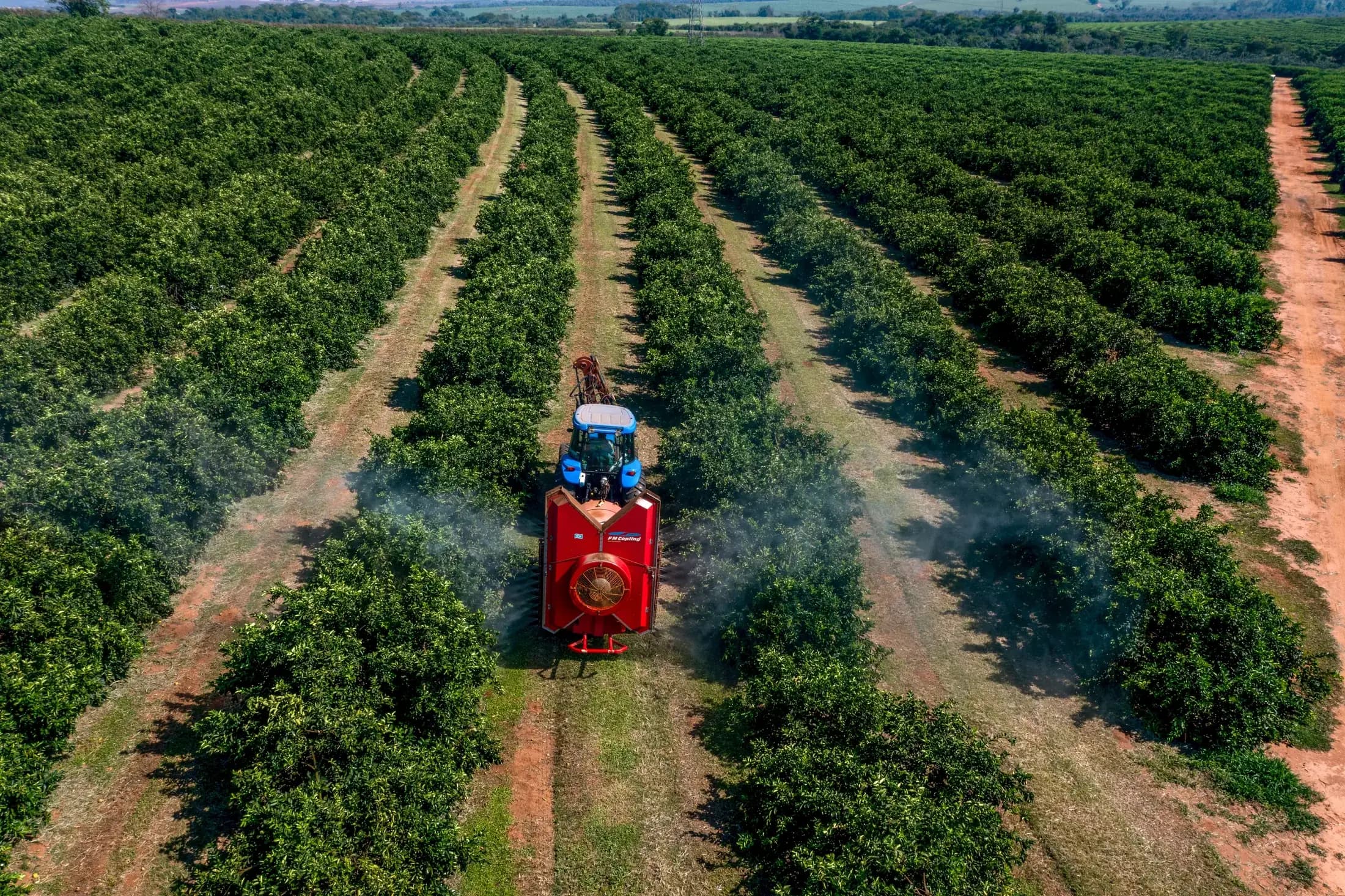
Integrated pest management rules out harsh agrochemicals. Instead, our own biofactory produces and replicates biological agents used for natural pest control: over 15 products developed so far, cutting chemical use by 15% to 30%.
100% Renewable Energy
Every one of Supra's production units runs on renewable energy.
Integrated Beekeeping
Our own apiaries boost pollination across the region, benefiting neighboring small growers too.
Production meets nature
Rock dust to cut chemical use and soil management geared toward carbon capture, across the 735 hectares of Supra's five farms.

Olímpia, Brazil
Vovó Maria Nazareth Institute
An after-school program run by Supra's founding family, active since 2013.
Founding Social Pillar
Investing in the future of Olímpia's children.
Founded in 2013 by Supracitrus' founding family, the Vovó Maria Nazareth Institute was created to offer a safe, welcoming place for children aged 6 to 9 during after-school hours.
Children get full academic support, tutoring, music workshops, an introduction to Brazilian Sign Language (Libras), vegetable growing in the teaching garden, and 100% healthy meals prepared on site.
Governance & Compliance Pillar
Digital traceability and global audits.
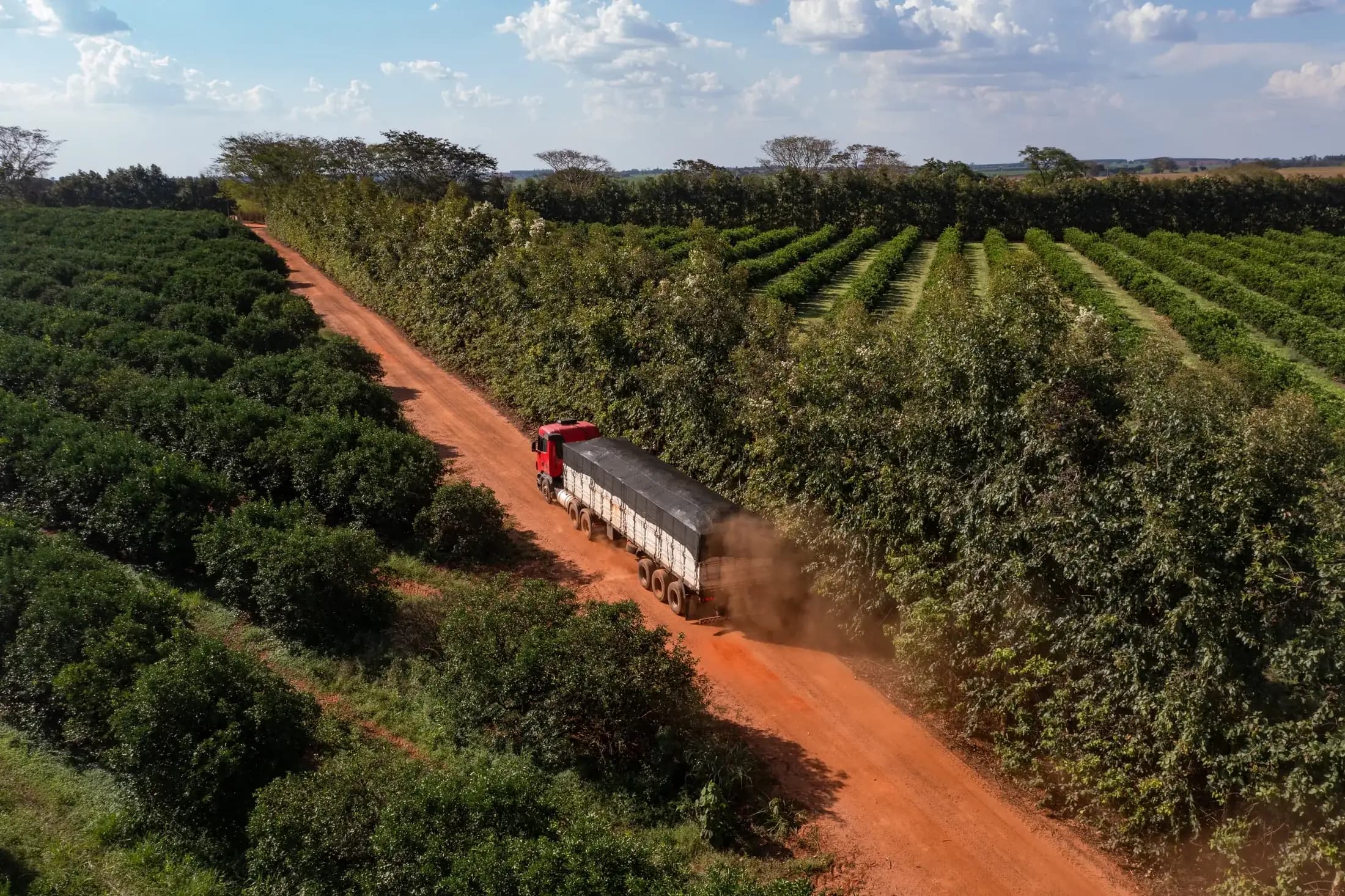
From production to point of sale, through preparation, packing and export, Supra's products can be traced at every stage of the supply chain. That reduces risk and sustains the trust of international buyers.
Natural Resources
Water efficiency and soil conservation.
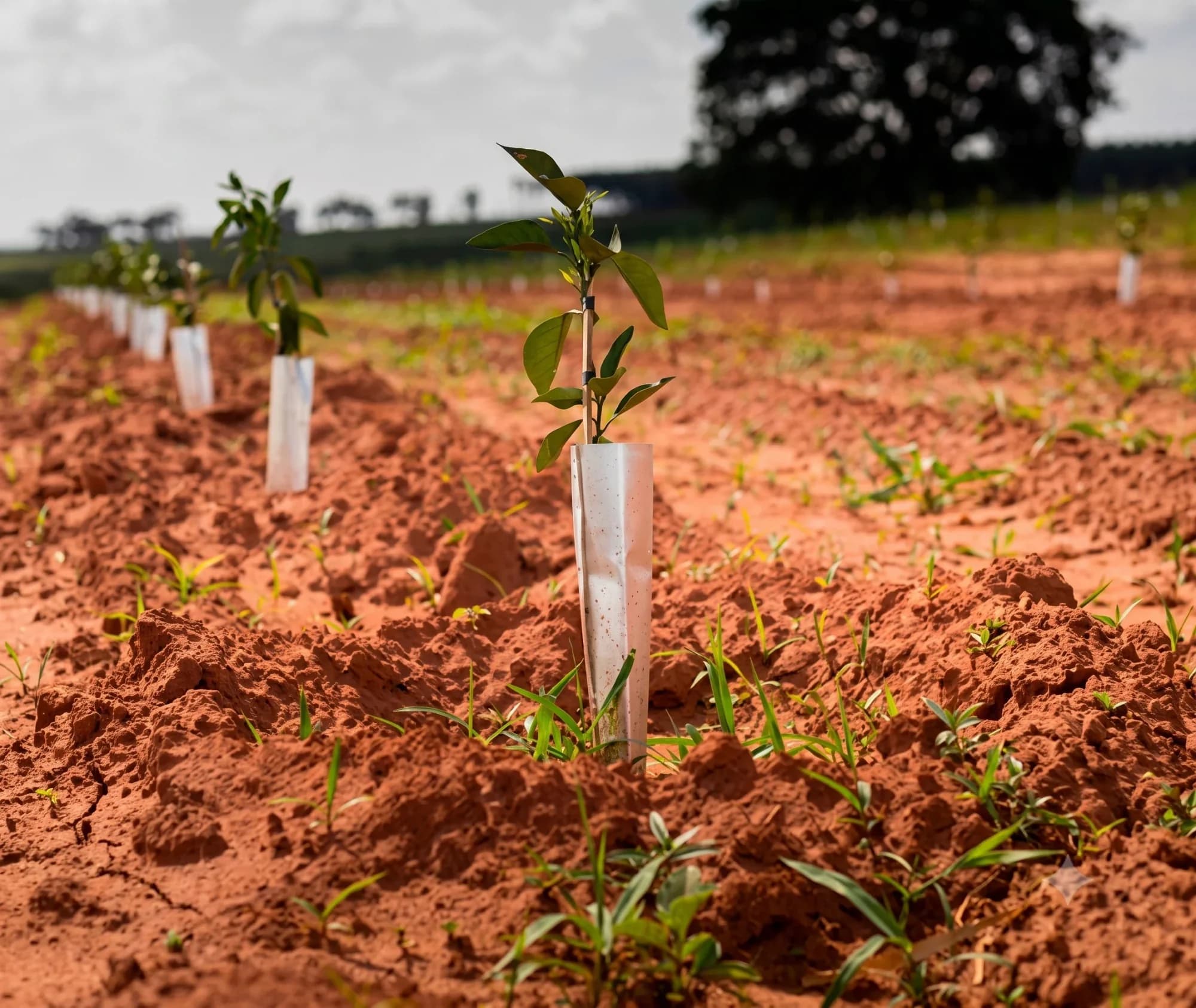
Water use in irrigation is responsible and monitored, with continuous tracking of soil and plant health across the whole operation.
Carbon Capture in the Soil
Soil management is geared toward carbon capture on our farms, with rock dust reducing dependence on chemical inputs.